Engaging Virtual Travel to Indonesia for Your Social Studies Classroom


I have been thinking about how to put my recent trip to Indonesia into words, because the experience came about in an unexpected way. A few years ago, while researching and creating my Indonesia Virtual Field Trip, I became more and more fascinated by the country. I remember telling my husband, Scott, how interesting Indonesia was and that it was somewhere I wanted to experience myself. So I added it to our travel bucket list (yes, we have a shared list!).
But flights to Indonesia are expensive, and this country was pretty far down our travel bucket list. So when I woke up one morning to an airfare alert about a "mistake fare" to Indonesia, we immediately checked our calendar and booked the flights. It was a deal of a lifetime.


Fast forward to our recent trip, and I couldn't help but think about the fact that I was experiencing firsthand a place that had sparked my curiosity through my own research. The very virtual field trip that I had created years earlier had inspired me to want to visit Indonesia.
I was also reminded just how meaningful it can be to experience a place beyond the pages of a textbook. Learning about a destination is one thing, but seeing its landscapes, engaging in the culture, and having a chance to ask questions takes learning to a new level.
And that is my hope with all of my virtual field trips. I hope they inspire students, spark curiosity, and maybe even encourage them to add a few travel dreams of their own to their bucket lists.

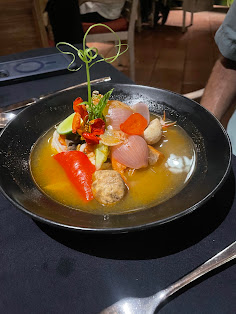
In this post, I'm sharing a little about our recent trip to Indonesia, some experiences that made it memorable, and how you can bring the geography and culture of this incredible country into your own classroom through virtual travel.
What Makes Indonesia an Interesting Country to Study?
If you're planning a country study project, I recommend adding Indonesia to your selections. This country provides plenty of opportunities to investigate physical geography, human geography, cultural traditions, and the ways communities interact with their environments.
My recent travels reminded me of the importance of approaching cultural learning with curiosity and respect. Understanding a place is more than just recognizing its famous landmarks. It also means considering the traditions, beliefs, and everyday experiences of the people who live there.
One of the things that stood out to me during our trip was the hospitality and kindness we experienced. The restaurant servers, the staff at hotels, and the people we encountered day-to-day were consistently warm and kind. We felt genuinely welcomed and cared for. We appreciated the many ways that people expressed kindness and respect throughout our trip.

Bring Indonesia Into Your Classroom with a Virtual Field Trip
Instead of simply reading about Indonesia, a virtual field trip gives your students an opportunity to explore the country through interactive activities, virtual exploration, video content, and reflection questions.
One of the most engaging ways to introduce students to a new country is to help them understand where it is and what its geography looks like. This virtual field trip incorporates Google Earth exploration. The built-in links take students directly to 360-degree views of sites to help them better understand the physical characteristics of each location. Through Google Earth 360-degree views, your students also get to experience cultural sites and important architecture.


Now that I'm back home, I went through my Indonesia Virtual Field Trip and took time to explore all of the links again. Having experienced some of the places in person, I can say with confidence that the panoramic views that your students get to click through and explore really do give your students a sense of what makes this country special.
Throughout the virtual field trip, your students have an opportunity to answer response questions and reflect on what they are seeing, learning, or finding most interesting or surprising. The questions are more inquiry-based so that they are not just regurgitating information, but are actively reflecting on what they are learning.
Learning About Travel Etiquette & Cultural Awareness
Before traveling to Indonesia, I spent a lot of time learning about the local customs and appropriate etiquette when visiting Hindu temples and other religious sites. I wanted to be prepared and respectful rather than make assumptions.
Too often I've watched visitors unintentionally make embarrassing and often offensive social faux pas when traveling to another country. We all have blind spots, but doing research and being sensitive to different cultural norms is an important part of good global citizenship skills.
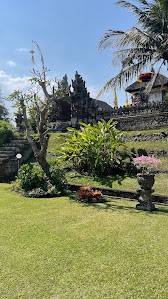


I created a Free Travel Etiquette Lesson that you can use before any virtual field trip or as part of a broader geography or cultural studies unit.
When students learn about another country, they have an opportunity to recognize that people may have different traditions, beliefs, and ways of life. Understanding those differences requires curiosity, context, and respect.
By introducing travel etiquette before exploring a new destination, you can help your students think about how their own actions and assumptions might affect people and places they visit. It also reinforces the idea that exploring the world comes with responsibility and to approach other cultures thoughtfully. All of the details for this free lesson can be found at this link.
The cool thing is that you don't need to travel internationally to introduce students to these ideas. Virtual field trips can give your learners a starting point for exploring places they might otherwise never encounter.
My trip to Indonesia is a reminder that curiosity can lead us in unexpected directions. You never know what might spark a student's curiosity or inspire a future adventure of their own. :)


Comments